WASTE PRE-TREATMENT

Waste Sorting Systems

INTEGRATED FACILITY APPROACH

Sorting Technology in Full-Scale Operation

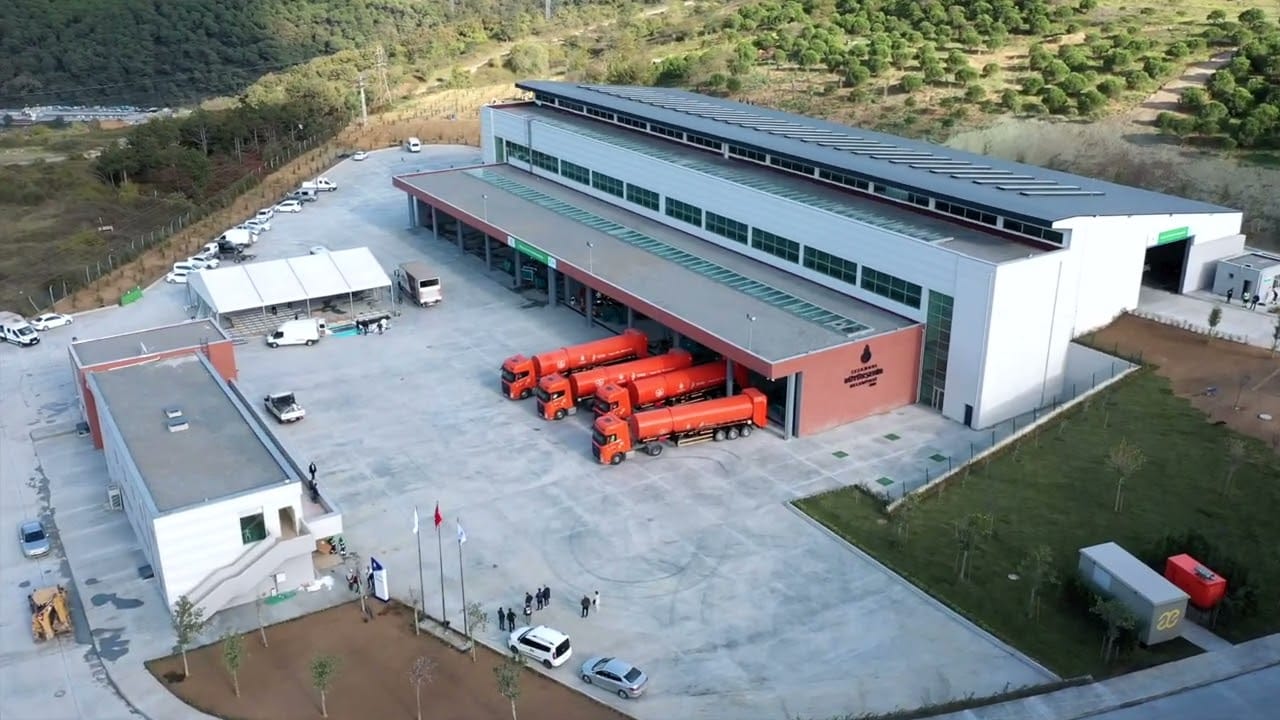
From the reception area to recovery lines, the integrated facility layout is engineered for safe, controlled and highly efficient material flow.

Sorting Technology in Full-Scale Operation
01

1. Facility Reception, Weighing and Unloading

  • Weighing and Radiation Control: Waste trucks arriving on site pass over the weighbridge; their weight is recorded and they are simultaneously scanned by radiation control panels.
  • Reception Bunker / Tipping Floor: Waste is discharged into an enclosed waste bunker operating under negative pressure (preventing odour escape) or onto the reception platform.
  • Coarse Sorting: Crane operators or machinery visually identify and remove very bulky materials (concrete blocks, engine blocks and large metal parts) that could damage the combustion system and crushers.
02

2. Size Reduction and Homogenisation

  • Bag Openers: Bags containing household waste are torn open without shredding the contents, releasing the material.
  • Primary Crushers (Pre-Shredder): Bulky materials are generally reduced to 150–300 mm to create a uniform flow on conveyor belts.
  • Mixing and Homogenisation: Grapples/cranes in the bunker mix wastes with different calorific values and moisture contents, balancing the calorific value of the mass entering the furnace.
03

3. Mechanical Sizing and Screening

  • Trommel (Rotary Drum) Screens: Separate waste into size fractions according to aperture diameter:
  • Fine Fraction (<40–60 mm): Mostly organic and inert matter (ash, sand and broken glass); routed to composting or biogas facilities rather than combustion.
  • Medium and Coarse Fraction (>60–300 mm): Contains high-combustion-potential plastics, paper, textiles and wood; sent to the main combustion line.
  • Disc or Ballistic Separators: Classify materials by weight and elasticity (rolling rigid objects, flat 2D surfaces and fine dust).
04

4. Metal Recovery and Fuel Improvement

  • Magnetic Separators (Overband / Drum Magnets): Attract and separate ferrous metals such as iron, steel and tin, preventing furnace-grate blockage and molten-metal damage.
  • Eddy Current Separators: Remove non-ferrous metals such as aluminium and copper from the line by reverse magnetic repulsion.
  • Optical / Sensor Separators (NIR): Select unwanted high-chlorine plastics such as PVC and high-calorific polymers, minimising flue-gas corrosiveness.
05

5. Secondary Shredding, Moisture Balancing and Combustion Feed

  • Secondary Shredders: If the combustion system is fluidised-bed or a specialised pyrolysis system, material size is reduced to 30–50 mm.
  • Drying / Ventilation: Excessively wet batches are dried using the facility’s waste heat, preventing a temperature drop in the combustion chamber.
06

6. Automatic Feeding

  • Automatic Feeding: Waste that has reached the ideal calorific value and particle size is transferred to the combustion boiler in a continuous and controlled regime through weighed dosing belts or hydraulic pushers.

TECHNICAL INFRASTRUCTURE

An Integrated System from Planning to Operation

Mechanical layout, automation and site equipment are evaluated together around a single process objective.

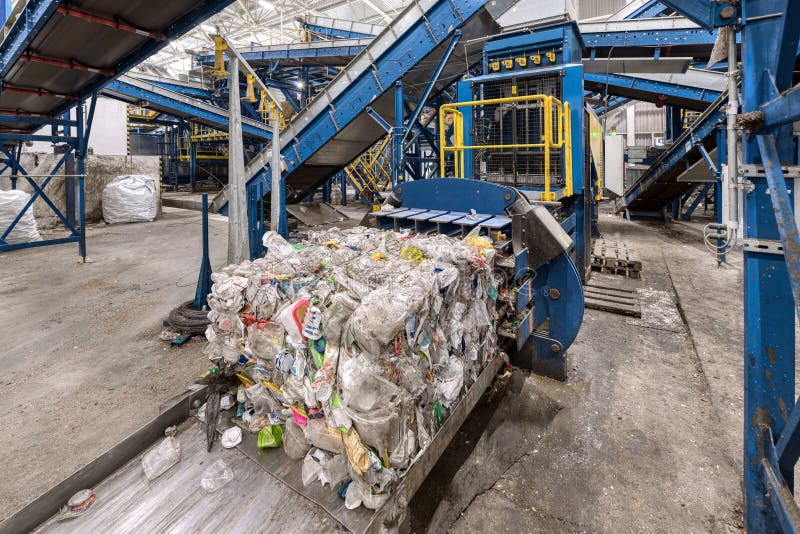
Mechanical sorting line layout
Integrated indoor sorting facility

TACH GROUP

Let’s Evaluate Your Project

Together, let us transform your energy, waste-management and infrastructure needs into a viable international project model.

CONTACT